
Samsung vs iPhone: The Ultimate Battle of Innovation and Identity
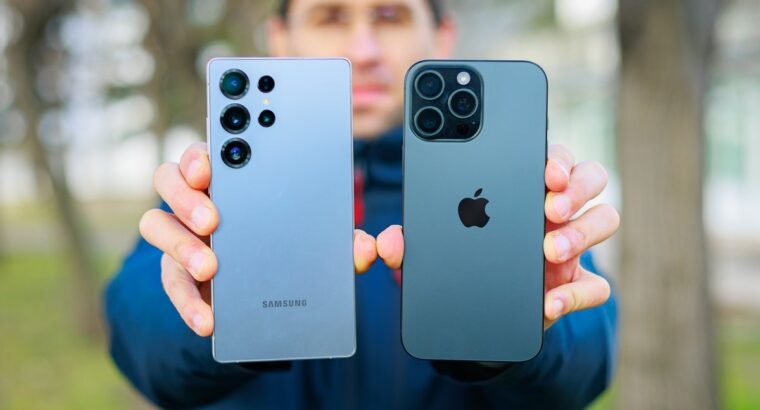
In the ever-evolving world of smartphones, few rivalries are as iconic or as fiercely debated as Samsung vs iPhone. For over a decade, these two giants — Samsung from South Korea and Apple from the United States — have defined what it means to be a modern smartphone user. Their competition has shaped the global tech landscape, driving innovation, design, and performance to new heights year after year. Whether you’re team Android or team iOS, there’s no denying that both brands have crafted unique identities that continue to captivate millions worldwide.
At the heart of the rivalry lies a fundamental difference in philosophy. Apple’s iPhone is all about refinement, simplicity, and ecosystem harmony. Every aspect — from hardware to software — is tightly integrated, delivering a seamless, elegant, and user-friendly experience. The iPhone’s minimalist design and intuitive interface make it accessible to all, while Apple’s ecosystem — iCloud, iMessage, AirPods, Mac, and Apple Watch — ensures that every device communicates effortlessly with another. On the other hand, Samsung’s Galaxy series thrives on versatility, innovation, and freedom. Samsung gives users the power to customize their devices, experiment with features, and push boundaries with cutting-edge technology. From foldable displays to high-refresh screens, Samsung leads the charge in daring design and futuristic concepts.
When it comes to design and display, Samsung has often taken the lead with its vibrant Dynamic AMOLED panels, known for their vivid colors and deep contrasts. Its phones often showcase bold, futuristic designs — curved edges, ultra-thin bezels, and even foldable forms like the Galaxy Z Fold and Z Flip. Apple, meanwhile, favors a timeless and premium aesthetic: precision-milled materials, Ceramic Shield glass, and a focus on durability and elegance. The iPhone’s Super Retina XDR OLED displays offer remarkable accuracy and brightness, delivering cinematic quality without oversaturation — proof that Apple values realism over extravagance.
Performance is another area where both brands shine — but in different ways. Apple’s A-series chips (like the A19 Bionic) consistently set industry standards for speed, efficiency, and AI processing. The result is battery-smooth performance, effortless multitasking, and superior gaming power. Samsung counters with its Xenos and Snapdragon processors, optimized for powerful multitasking, 5G connectivity, and advanced thermal management. While Apple focuses on fine-tuned balance and longevity, Samsung emphasizes raw power and versatility — allowing users to tailor their experience to their personal preferences.
The camera systems of both brands have transformed mobile photography into an art form. Apple’s iPhones are known for natural color tones, precise exposure control, and cinematic video recording — making them favorite among photographers and content creators. Samsung’s cameras, on the other hand, are packed with innovation: high-resolution sensors, 10x optical zoom, and AI-enhanced night photography that pushes boundaries. Samsung captures bold, eye-popping visuals, while Apple aims for true-to-life accuracy and cinematic storytelling. Choosing between them often comes down to artistic taste — the vibrance of Samsung or the realism of Apple.
Battery and charging are areas where Samsung has frequently taken the lead. With faster charging speeds, larger battery capacities, and even reverse wireless charging, Samsung devices are ideal for power users. Apple has gradually improved its battery life and efficiency, but its charging speed remains more conservative — prioritizing battery health and stability over raw speed. However, with the integration of MagSafe and USB-C in recent iPhones, Apple continues to refine its approach, blending convenience with reliability.
One of the most defining contrasts lies in software and ecosystems. iPhones run on iOS, known for its security, privacy, and long-term software updates — often supporting devices for up to six or seven years. Samsung, powered by Android with One UI, offers unmatched flexibility, deeper customization, and integration with the vast Google ecosystem. While Apple delivers consistency and control, Samsung offers freedom and adaptability. Each system reflects the personality of its users: Apple appeals to those who value simplicity, elegance, and trust; Samsung attracts those who crave choice, creativity, and cutting-edge experimentation.
In terms of innovation, Samsung often leads the way in hardware breakthroughs — introducing foldable phones, high refresh rate displays, and advanced sensors years before others. Apple, meanwhile, redefines how technology integrates into everyday life — perfecting features like Face ID, MagSafe, and cinematic video modes that become industry standards once introduced. Where Samsung dares to explore, Apple masters the art of refinement.
Ultimately, the Samsung vs iPhone debate isn’t just about specs or price; it’s about identity and experience. Samsung represents the spirit of exploration — bold, versatile, and unafraid to experiment. iPhone embodies the art of perfection — polished, secure, and beautifully cohesive. Both brands have revolutionized how we live, connect, and create in the digital age. Choosing between them depends not only on what you need but on how you see technology fitting into your life.
There’s no definitive winner in this battle — only champions of different philosophies. Samsung inspires innovation, while Apple defines excellence. Together, they push the world forward, ensuring that every new generation of smartphones isn’t just better — it’s smarter, more personal, and more extraordinary than ever before. Whether you hold a Galaxy or an iPhone, you’re holding a piece of the future in your hand — shaped by two titans competing to perfect the art of possibility.


Leave your comment